How to Become an EMT in High School?
See if you qualify for Emergency Medical Technician programs
Answer a few questions in 2 minutes. Free, no commitment.
Becoming an Emergency Medical Technician (EMT) is one of the fastest and most direct paths into the emergency medical services field. This guide provides a clear, updated roadmap, outlining how you can gain the necessary credentials for a fulfilling career as a first responder. With training programs as short as 15 days and a median national salary of $46,350, becoming an EMT is an accessible and rewarding goal.
Key Points
- An EMT is a first responder who delivers emergency medical care, responds to accidents, and safely transports patients to healthcare facilities.
- To become an EMT, you must complete a state-approved training program, pass the National Registry of Emergency Technicians (NREMT) exam, and obtain a state license.
- While the NREMT has no minimum age, most states require you to be 18 to get licensed and work as an EMT.
- EMT training can take anywhere from 15 days for an accelerated bootcamp to 19 weeks for a part-time course.
- Program tuition typically ranges from $1,000 to $4,000, varying by school and location.
- The median EMT salary was $46,350 in May 2024, with stable job growth of 5% projected through 2034.
What Is an EMT?
An Emergency Medical Technician (EMT) is a trained first responder who provides critical care to patients during medical emergencies and traumatic events. Their primary duties include assessing patient conditions, administering basic life support such as CPR and oxygen, controlling bleeding, and safely transporting patients to a healthcare facility.
EMTs act as a vital link between the scene of an emergency and the hospital, ensuring patient stability and communicating key information to the receiving medical team. Their core responsibilities include:
- Assess Patients: Checking vital signs and evaluating the severity of an illness or injury.
- Basic Life Support (BLS): Administering oxygen, performing CPR, and managing bleeding or fractures.
- Safe Transport: Operating an ambulance and ensuring patient stability during transport.
- Communication: Relaying critical patient information to hospital staff and dispatchers.
- Equipment Maintenance: Inspecting, cleaning, and restocking emergency gear after each call.
Where Do EMTs Work?
EMTs are employed in a variety of settings beyond traditional ambulance services, offering diverse career experiences. Many work for private ambulance companies or municipal EMS agencies responding to 911 calls, while others are integrated into fire departments.
Opportunities also exist within hospitals for emergency room support and inter-facility patient transport. EMTs can also find work in specialized roles on search and rescue teams or providing medical coverage at large venues like concerts and sporting events.
EMT Salary and Career Outlook
According to the U.S. Bureau of Labor Statistics, the median annual wage for EMTs was $41,340 as of May 2024. The field is projected to grow by 5% between 2024 and 2034, indicating a stable and consistent demand for qualified emergency medical professionals.
Salaries can vary based on location, employer, and experience, with opportunities for increased earnings through advanced certifications and career progression.
How to Become an EMT in High School: A Step-by-Step Guide
Although it can be challenging to start working as an EMT while still in high school, you can take proactive steps to build experience and be ready for formal certification once you’re eligible.
1. Check Age & Educational Requirements
Verify your state’s minimum age. Some allow training at 17 (or younger), but you may need to wait until 18 to test for certification.
2. Find a State-Approved EMT Program
Look for an accelerated or part‐time course—ranging from 6 weeks to 6 months—that fits your school schedule. Ensure it’s recognized by your state EMS authority.
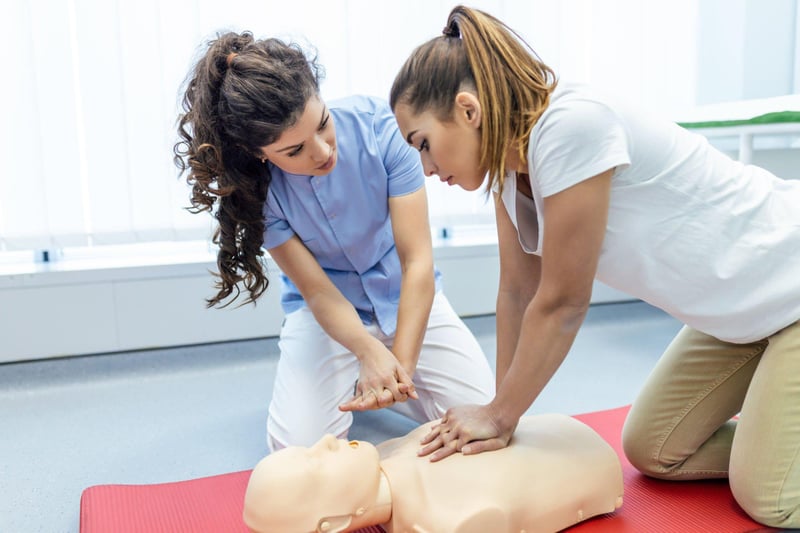
3. Complete CPR Certification
This essential skill is often included in EMT training but double‐check to avoid delays in your certification process.
4. Gain Relevant Experience
Volunteer with local EMS units or clinics. Observing how emergencies unfold gives you insight into real‐life patient care and operations.
5. Pass the NREMT Exam
Upon finishing your training (and reaching the required age), pass the National Registry of Emergency Medical Technicians exam to verify your competency.
6. Apply for EMT Certification
Submit your paperwork, fees, and proof of completed training to your state EMS office. A background check is typically required.
7. Begin Job Searching
If you meet the age requirement, start by exploring current opportunities on MyNextMove, which provides localized EMT job listings in ambulance services, hospitals, and fire departments. You can also seek volunteer or paid EMT positions through community boards, local healthcare networks, or your training program’s job placement resources. Continue volunteering if you’re not immediately hired.
8. Maintain Certification & Advance
Renew your certification with continuing education. Over time, consider leveling up to Firefighter or advanced clinical roles.
Where to Find EMT Classes
Consider community colleges, technical schools, and hospital‐based programs for in‐person training. Some states offer partial or hybrid online EMT courses, although you’ll still need hands‐on clinical hours.
A great resource for finding programs is Dreambound, a platform dedicated to vocational training. Simply search your location to compare different EMT courses, evaluate costs, and pick a course format that aligns with your schedule and budget.
Essential Skills for a Successful EMT Career
Beyond technical knowledge, successful EMTs possess a unique set of personal attributes. Strong communication skills are vital for calming patients and relaying information to medical teams, while physical endurance is necessary for lifting and maneuvering in demanding environments. The ability to think critically under pressure and show empathy toward people in crisis are equally important for providing effective and compassionate care.
Frequently Asked Questions
What is the fastest you can become an EMT?
Accelerated "bootcamp" style courses can be completed in as little as 15 days, though they are very intensive. More traditional part-time programs typically last around 19 weeks.
What is the minimum age to be an EMT?
The National Registry of Emergency Technicians (NREMT) does not have a minimum age requirement for certification. However, most states require you to be at least 18 years old to obtain a state license and begin working as an EMT.
How much does an EMT make?
According to the Bureau of Labor Statistics, the median annual wage for EMTs in the United States was $41,340 in May 2024. Salaries can vary based on factors like geographic location, experience, and employer.
Final Thoughts
Becoming an EMT is an ambitious but highly achievable goal that offers a fast-paced and impactful career saving lives. By following these updated steps, you can navigate the training and certification process with confidence. With careful planning, you can quickly qualify for a role that makes a difference every single day.
Ready to begin? Head over to Dreambound to compare state‐approved EMT classes and take the first step toward a fast‐paced, impactful career in emergency medical services!
For those looking to get started in this field, Dreambound's array of state-specific guides can be a valuable resource. And if you're in a different area, don't miss out on our other helpful guides.