Is Wind Turbine Technician a Good Job? Pros and Cons (2026)
See if you qualify for Wind Turbine Technician programs
Answer a few questions in 2 minutes. Free, no commitment.
A career as a wind turbine technician is one of the fastest-growing professions in the United States, driven by the global shift towards renewable energy. With a median annual wage of $62,580 as of May 2024 and a projected job growth of 50% by 2034, the demand for skilled technicians is surging. This guide covers the roles, responsibilities, career outlook, and key considerations for this dynamic field, including the rapid expansion into offshore wind.
Key Points
- Wind turbine technicians install, inspect, maintain, and repair wind turbines.
- The median annual salary for a windtech was $62,580 as of May 2024.
- Employment is projected to grow 50% from 2024 to 2034, much faster than the average for all occupations.
- Training typically involves a certificate or associate's degree in wind energy technology.
What Does a Wind Turbine Technician Do?
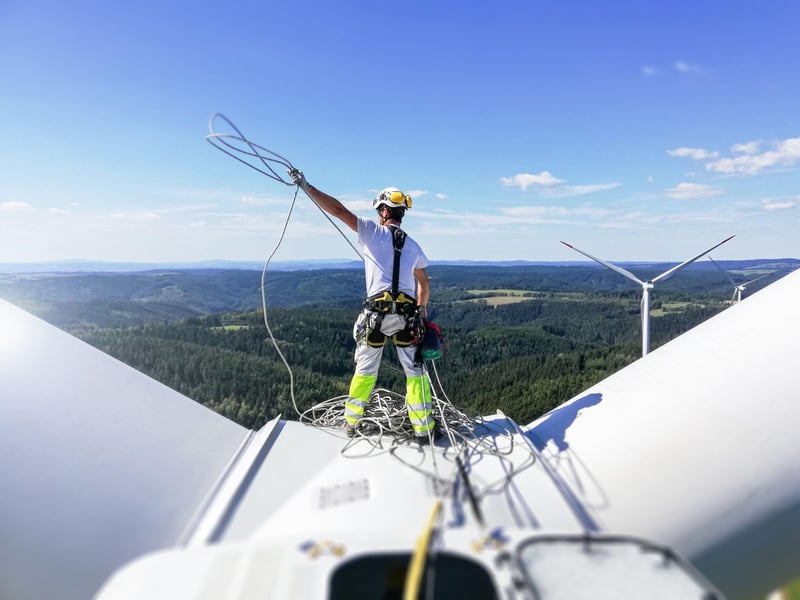
Wind turbine technicians, or windtechs, are responsible for installing, inspecting, maintaining, and repairing wind turbines to ensure they operate efficiently and safely. This hands-on role requires significant technical skill and physical stamina, as technicians frequently climb turbines over 300 feet tall and work in challenging weather conditions. The work environment is expanding from traditional onshore wind farms to major new offshore projects, such as Vineyard Wind 1, which is adding hundreds of powerful turbines to the U.S. grid.
Wind Turbine Technician Career Outlook and Salary
The career outlook for wind turbine technicians is exceptionally strong. The U.S. Bureau of Labor Statistics projects a 50% employment increase between 2024 and 2034, creating thousands of new jobs. As of May 2024, the median annual salary was $62,580, reflecting the high demand for these specialized skills.
This demand is intensified by a growing technician shortage and industry turnover rates as high as 15%, creating significant opportunities for new entrants. States like New York are driving this growth, projecting over 10,000 new wind energy jobs by 2035 to support their offshore wind goals.
The New Frontier: Offshore Wind and Policy Shifts
The wind energy sector is undergoing a major transformation, largely driven by the expansion of offshore wind projects and supportive federal policies. The Inflation Reduction Act (IRA) has been a key catalyst, linking valuable clean energy tax credits to prevailing wage and registered apprenticeship requirements, which helps professionalize the workforce. This policy push is fueling the development of large-scale projects like Vineyard Wind 1 and paving the way for future innovations, including the first U.S. research lease for floating offshore wind farms.
How to Become a Wind Turbine Technician
Becoming a wind turbine technician typically requires a postsecondary nondegree award or an associate's degree in wind energy technology. Leading institutions like Texas State Technical College (TSTC) are using advanced simulators and hands-on kits to prepare students for the job's physical and technical demands. While industry bodies like the American Clean Power Association (ACP) provide training guidelines, they do not yet accredit specific programs. Aspiring technicians should focus on developing strong mechanical, electrical, and problem-solving skills through a reputable vocational program.
Pros of Being a Wind Turbine Technician
Advantages of this career include:
- Growing Job Market: The push for renewable energy solutions like wind power is enhancing job prospects for wind turbine technicians.
- Competitive Salary: Windtechs enjoy a rewarding salary. The median annual wage was $62,580 in 2024 as reported by the U.S. Bureau of Labor Statistics.
- Career Advancement: Experience can lead to supervisory roles or management positions within the field.
- Hands-On Work: This role is ideal for those who enjoy physical, outdoor work on innovative technologies.
- Impact on Environment: Windtechs contribute significantly to the generation of clean, sustainable energy.
Cons of Being a Wind Turbine Technician
Potential drawbacks include:
- Physical Demands: The job involves climbing turbines and working in various weather conditions, requiring good physical health.
- Irregular Hours: Technicians often work outside standard office hours to optimize turbine performance.
- Safety Risks: The role involves inherent risks due to the heights and machinery involved.
- Travel Requirements: Some positions may involve travel or temporary relocations, impacting personal life stability.
Frequently Asked Questions
Is being a wind turbine technician stressful?
Yes, being a wind turbine technician can be stressful. The job involves working at significant heights, handling complex machinery under pressure, and dealing with the physical demands of climbing and repairs in various weather conditions.
Is there a demand for wind turbine technicians?
Yes, there is a very high demand for wind turbine technicians. The U.S. Bureau of Labor Statistics projects that employment will grow 50% from 2024 to 2034, much faster than the average for all occupations. This growth is fueled by the expansion of wind power as a key source of clean energy.
What are the risks of being a wind turbine technician?
The main risks include falls from height, electrical hazards, and injuries from moving machinery. Technicians are also exposed to harsh weather conditions and potential hearing damage from loud equipment. Strict adherence to safety protocols is critical to mitigate these risks.
Final Thoughts
Choosing to become a wind turbine technician is a commitment to a challenging but highly rewarding career at the forefront of the renewable energy transition. The profession offers excellent pay and a robust job outlook but demands physical resilience, technical expertise, and a commitment to safety. For those prepared to meet these demands, this career provides a unique opportunity to power the future.
If you're ready to start your journey, Dreambound can help you find the right training program. Explore our guides to learn more about the requirements in your state.
- How to Become a Wind Turbine Technician in Georgia
- How to Become a Wind Turbine Technician in Nevada
- How to Become a Wind Turbine Technician in New York
Read more of our guides on Wind Turbine Technicians: